Explore the calisthenics exercise library

Train

Choose your level, target muscles and equipment to discover exercises.

☷ Filters
01 / DIFFICULTY All levels
02 / TARGET All muscles
03 / EQUIPMENT All equipment
YOUR EXERCISES

152 matching exercises

Copenhagen Plank
beginner static

Copenhagen Plank

The Copenhagen Plank is an intermediate static bodyweight exercise performed in a side plank position with the upper leg supported on an elevated surface. It strengthens the hip adductors, obliques, and lateral core stabilizers while challenging pelvic control and shoulder endurance.
Cossack Squat
beginner dynamic

Cossack Squat

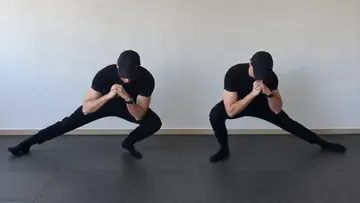
The Cossack squat is a deep lateral squat where you shift your weight onto one leg while keeping the opposite leg extended to the side. It combines unilateral leg strength with hip, adductor, and ankle mobility, making it a useful way to build strength and control in ranges that regular squats rarely train.

Crunch
beginner dynamic

Crunch

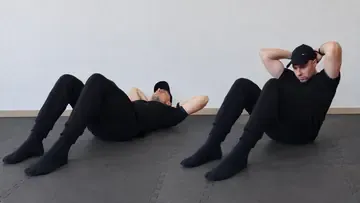
The crunch is a beginner core exercise that trains your abs by flexing your torso and bringing your ribs towards your pelvis. Unlike a sit-up, you only lift your head and upper back from the floor instead of bringing your entire torso upright. This shorter movement keeps the exercise focused on controlled abdominal flexion.

Dead Hang
beginner static

Dead Hang

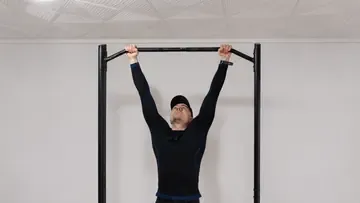
The Dead Hang is a beginner static calisthenics exercise performed by hanging from a pull-up bar with both arms fully extended and the feet suspended above the ground. It develops grip endurance, forearm strength, and familiarity with overhead hanging positions, providing a foundation for Pull Ups and more advanced bar exercises.

Decline Push Up
intermediate dynamic

Decline Push Up

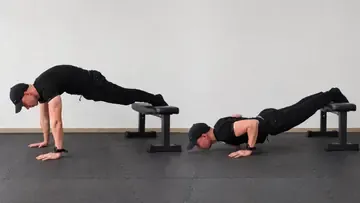
The decline push up is a harder variation of the regular push up where your feet are placed on an elevated surface. This position shifts more of your bodyweight towards your upper body, making your chest, shoulders, and triceps work harder on every rep. It is a great progression once regular push ups feel comfortable and you want to build more pushing strength without adding external weight.

Diamond Push Up
intermediate dynamic

Diamond Push Up

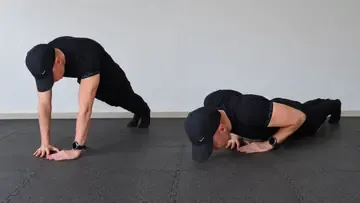
The diamond push up is a close-grip variation of the regular push up that puts more emphasis on your triceps while still working your chest and shoulders. Bringing your hands closer together makes the exercise noticeably harder, so it is a great progression once regular push ups start to feel comfortable. It is also a simple way to build stronger triceps using nothing more than your own bodyweight.

Dips
beginner dynamic

Dips

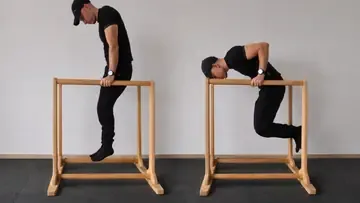
Dips are one of the foundations of calisthenics. They build strong pushing strength in your chest and triceps, giving you the strength you need to progress towards more advanced calisthenics exercises. Along with pull-ups and push-ups, dips are one of the basic exercises every beginner should learn. They can be performed on parallel bars or on a straight bar, with each variation preparing you for different skills and movements.

Dragon Flag
intermediate dynamic

Dragon Flag

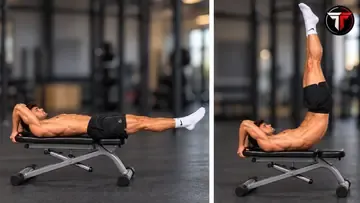
The dragon flag is an advanced core exercise where you anchor your upper body, lift your hips, and move your torso and legs together as one rigid lever. Your shoulders and upper back remain supported while your abs resist the powerful tendency for your lower back to arch as your body approaches horizontal.

Dragon Pistol Squat
advanced dynamic

Dragon Pistol Squat

The dragon pistol squat is an advanced single-leg squat where the free leg travels behind and around the working leg as you descend into a deep squat. It combines the strength of a pistol squat with significantly greater demands on hip mobility, balance, coordination, and active control of the free leg.

Entrada de Ángel
advanced dynamic

Entrada de Ángel

Start in a supported position on a pull-up bar, lean your torso forward, and rotate your body backward while maintaining straight arms and controlled shoulder movement to transition into a back lever position. Begin with skin the cat, German hangs, and tuck back lever transitions to develop shoulder mobility, strength, and body awareness. Gradually increase your range of motion, practice assisted entries, and reduce assistance as you improve your control and coordination throughout the movement.

Entrada de Diablo
elite dynamic

Entrada de Diablo

Start in a supported position on a pull-up bar with a fully reversed grip, lean your torso forward, and rotate your body backward through a controlled shoulder dislocation to transition into a back lever position. Begin with skin the cat, German hangs, and assisted shoulder rotation exercises to develop shoulder mobility, strength, and body control. Gradually increase your range of motion, practice assisted Devil Entry transitions, and reduce assistance while maintaining proper technique and avoiding excessive shoulder strain.

Extreme Wide Muscle Up
advanced dynamic

Extreme Wide Muscle Up

The extreme wide muscle up is an advanced bar muscle up variation performed with the hands significantly wider than in a standard muscle up. The wide position makes it harder to generate enough pulling height and creates a demanding transition from below the bar into support. It requires powerful pulling strength, strong shoulders, and excellent control of the turnover.

Flutter Kicks
beginner dynamic

Flutter Kicks

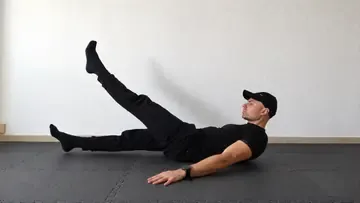
Flutter Kicks are a beginner bodyweight core exercise performed while lying on the back with both legs extended and elevated above the floor. The athlete alternates small up-and-down leg movements while maintaining abdominal tension and pelvic stability. This exercise develops core endurance, hip flexor strength, and lower-body coordination.

Frog Stand
beginner static

Frog Stand

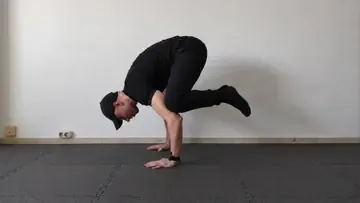
The frog stand is a beginner hand-balancing skill where you support your body on your hands while resting your knees against your upper arms. It teaches you how to shift your weight forward, balance with your hands, and become comfortable supporting your bodyweight before progressing to harder skills such as the tuck planche.

Front Lever
advanced static

Front Lever

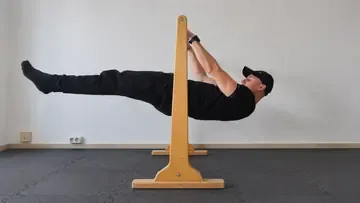
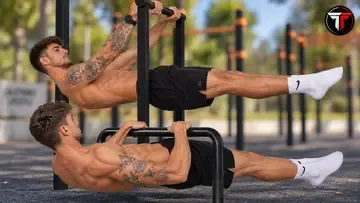
The Front Lever is an advanced static pulling skill where you hang beneath a bar or rings with straight arms while holding your entire body horizontally. It requires powerful straight-arm pulling strength from the back together with enough core and hip tension to keep your body rigid from shoulders to feet.

Front Lever Press
advanced dynamic

Front Lever Press

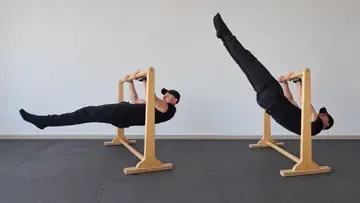
Start in a front lever position with your body horizontal and arms straight, then raise your body into an inverted hang while maintaining core tension, shoulder stability, and controlled movement. Begin with tuck front lever raises, inverted hangs, and assisted press variations to develop back strength, core stability, and straight-arm control. Gradually progress through advanced tuck and straddle variations, reduce assistance, and practice controlled transitions while maintaining proper body alignment throughout the movement.

Front Lever Pull Up
advanced dynamic

Front Lever Pull Up

The Front Lever Pull Up is an advanced horizontal pulling exercise performed while maintaining a front lever position. Instead of holding the lever with straight arms, you bend your elbows and pull your torso towards the bar while keeping your hips and legs approximately horizontal. It combines front lever strength with powerful bent-arm pulling and full-body tension.

Front Lever to Muscle Up
advanced dynamic

Front Lever to Muscle Up

The Front Lever to Muscle Up is an advanced bar skill that connects a horizontal front lever directly into a muscle up. Starting with your body straight and parallel to the ground, you pull from the lever towards the bar, transition your torso above it, and finish by pressing into a straight-arm support. It combines front lever strength with powerful bent-arm pulling and a strong muscle up transition.

Full Planche
advanced static

Full Planche

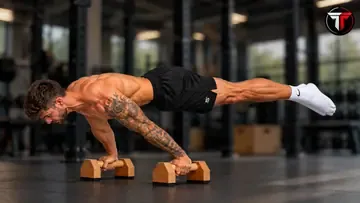
The Full Planche is an advanced straight-arm strength skill where you support your entire body horizontally on your hands with your feet off the ground. Your elbows remain locked, your legs stay straight and together, and your shoulders lean far enough forward to balance your body as one long lever.

Full Planche Press to Handstand
elite dynamic

Full Planche Press to Handstand

The Full Planche Press to Handstand is an elite straight-arm pushing skill where you move from a horizontal Full Planche into a vertical Handstand without bending your elbows. It combines full planche strength with powerful shoulder elevation, body-line control, and handstand balance through a large range of motion.

Full Planche Push Up
elite dynamic

Full Planche Push Up

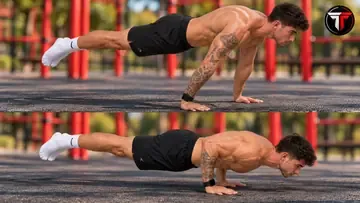
The full planche push up is one of the hardest pushing exercises in calisthenics. You perform a complete push up while keeping your entire body horizontal above the ground, with your legs straight, feet together, and nothing except your hands touching the floor. It requires exceptional shoulder strength, pushing power, and full-body control, making it the final step after mastering tuck, advanced tuck, and straddle planche push ups.

Full Planche Rings
elite static

Full Planche Rings

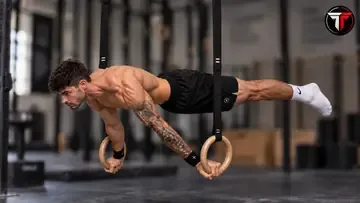
The Full Planche on Rings is an elite straight-arm strength skill where you support your entire body horizontally above a pair of gymnastic rings. The moving rings make the position significantly less stable than a floor or parallettes planche, demanding exceptional shoulder strength, straight-arm control, and full-body tension.

Handstand
intermediate static

Handstand

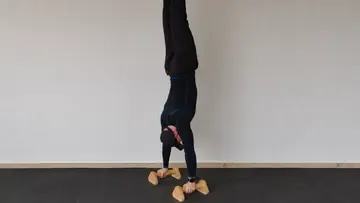
The Handstand is a fundamental hand-balancing skill where you support your entire body upside down with straight arms. It combines shoulder strength, wrist control, body awareness, and balance. A strong handstand also provides the foundation for advanced skills such as Handstand Push Ups, Press to Handstand, and One Arm Handstands.

Handstand Push Up
intermediate dynamic

Handstand Push Up

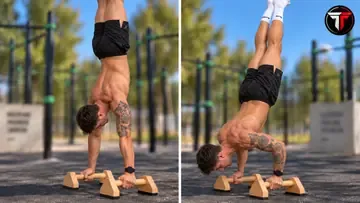
The handstand push up is one of the main vertical pushing exercises in calisthenics. Instead of pushing your body away from the floor horizontally, you press almost your entire bodyweight while upside down, making it a serious test of shoulder and triceps strength. Learning it takes time, but you do not need a freestanding handstand to start. Using a wall lets you build the strength and confidence you need before eventually taking the movement away from it.