Begin with both hands
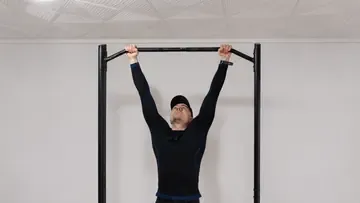
Grip a secure pull-up bar with both hands approximately shoulder-width apart. Hang with your elbows extended and establish a stable body position before transferring your weight.
 static
Begin hanging from a secure pull-up bar with both hands and your elbows fully extended. Establish a stable body position before gradually transferring more weight onto one arm. Release the opposite hand only when you can safely support your bodyweight with the working arm. Maintain a straight elbow and allow the supporting shoulder to settle into a comfortable overhead position while keeping the shoulder girdle controlled. Prevent excessive swinging or twisting by engaging your core. Hold the position for a manageable duration, then return your free hand to the bar before switching sides. Train both arms and progress gradually to avoid excessive stress on the fingers, elbow, and shoulder.
Grip a secure pull-up bar with both hands approximately shoulder-width apart. Hang with your elbows extended and establish a stable body position before transferring your weight.
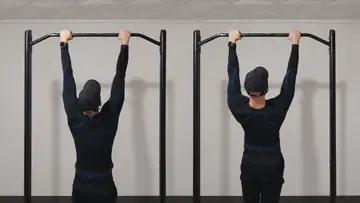
Gradually transfer your bodyweight towards one hand while keeping the supporting elbow straight. Maintain shoulder control and avoid sudden loading.
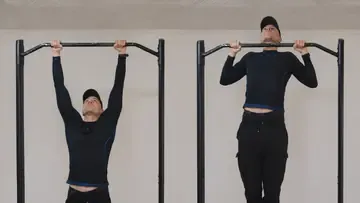
Carefully remove your free hand from the bar once the working arm can support your weight. Keep your feet suspended and allow your body to find a balanced hanging position.
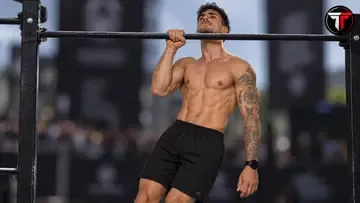
Hold your bodyweight with one straight arm. Maintain a secure grip, comfortable shoulder alignment, and controlled torso position while minimizing swinging and excessive rotation.
Regrip the bar with your free hand before releasing the working arm. Recover briefly and repeat on the opposite side, prioritizing controlled technique and balanced development.
The One Arm Hang is performed with a straight supporting arm. Avoid holding a partially flexed elbow position, which changes the exercise and increases the demand on the elbow flexors.
Suddenly transferring your entire bodyweight onto one arm can overload the fingers, elbow, or shoulder. Shift your weight gradually before removing the assisting hand.
Avoid forcing the supporting shoulder into an uncomfortable overhead position. Maintain controlled alignment and reduce the load if you experience pain or instability.
Some natural body rotation may occur, but uncontrolled twisting and swinging increase the difficulty of maintaining a stable grip. Engage your core and keep the movement controlled.
Do not continue until your fingers unexpectedly release the bar. End the hold while you can still safely regrip with your free hand or place your feet on a stable surface.
Avoid developing a large imbalance between sides. Practice both arms and adjust the assistance or duration according to each side’s current ability.
A secure two-arm Dead Hang does not automatically mean you are ready to support your full bodyweight with one hand. Use assisted one-arm hangs before attempting unsupported holds.
A One Arm Hang is a static hanging exercise where the athlete supports their entire bodyweight from a pull-up bar using only one hand while keeping the supporting elbow extended.
One Arm Hangs strongly challenge the finger flexors and forearm muscles responsible for grip. The latissimus dorsi, shoulder stabilizers, upper back, and core muscles help maintain a controlled hanging position.
Yes. Supporting bodyweight with one hand significantly increases the load on the working grip and shoulder compared with a standard two-arm Dead Hang.
Yes. They develop unilateral grip endurance and shoulder stability, which are useful foundations for the One Arm Pull Up. However, they do not replace the specific pulling strength needed to bend the elbow and lift the body with one arm.
The shoulder can move into a naturally elevated overhead position, but it should remain controlled and comfortable. Avoid forcing a completely passive position if it causes pain or instability.
Keep your free hand lightly supporting the bar, hold the wrist of your working arm, or use partial foot support to reduce the load. Gradually decrease assistance as your grip and shoulder control improve.
Use a duration that allows you to maintain a secure grip, straight elbow, and comfortable shoulder position. Increase hold times gradually rather than training to uncontrolled grip failure.
Yes. Training both sides helps develop balanced grip strength and shoulder stability. Begin with the weaker side and adjust the difficulty or duration when necessary.