Build strong pull ups
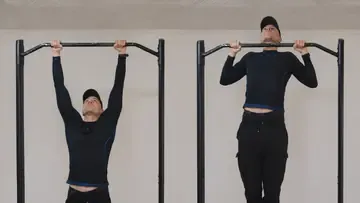
Start with clean regular and wide-grip pull ups. Practice pulling from a controlled hang without kicking or swinging so you have enough basic pulling strength before shifting most of your weight onto one arm.
 dynamic
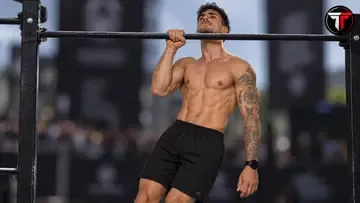
The archer pull up is not just a wide pull up. Instead of pulling straight towards the middle of the bar, you move your chest towards one hand while gradually straightening the opposite arm. The working arm does most of the pulling while the straighter arm still provides assistance and balance. Start by shifting only part of your weight to one side, then make the assisting arm straighter as your unilateral strength improves.
Start with clean regular and wide-grip pull ups. Practice pulling from a controlled hang without kicking or swinging so you have enough basic pulling strength before shifting most of your weight onto one arm.
Take a wide overhand grip and begin pulling your body towards one hand instead of straight up through the middle. Let the opposite arm become longer as your chest moves towards the working side.
If you cannot keep the assisting arm mostly straight, use a resistance band or allow that arm to bend slightly. As you get stronger, rely on it less and make more of the movement come from the working arm.
From a wide grip, pull your chest towards your working hand while extending the opposite arm along the bar. Reach the top under control, then reverse the movement and lower yourself back towards a full hang.
As your archer pull ups improve, focus on doing less work with the assisting arm while keeping your reps controlled. This gradually prepares your working side for assisted one arm pull ups and eventually the full one arm pull up.
If both elbows bend equally and your chest stays in the center, you are basically performing a wide-grip pull up. Deliberately shift your body towards the working hand while the opposite arm becomes straighter.
Do not force your elbow into a perfectly straight position before you have the strength and control for it. A slightly bent assisting arm is a valid progression. Gradually straighten it as the working side becomes stronger.
Do not use your legs or momentum to throw your body sideways. Brace your core and make the lateral movement come from a controlled pull rather than a swing.
Archer pull ups make left-to-right strength differences very obvious. Train both directions and give your weaker side the same range of motion and attention instead of letting your dominant arm do most of the work.
A regular pull up distributes the work relatively evenly between both arms as you pull towards the center. In an archer pull up, you deliberately move towards one hand while the opposite arm becomes straighter. This places much more of the pulling demand on the working side.
Yes. The extended arm still holds the bar, assists the movement, and helps stabilize your body. The goal is not to make it completely inactive, but to gradually reduce how much assistance it provides as your working arm becomes stronger.
Not when you are first learning the exercise. Allowing the assisting elbow to bend slightly makes the movement easier and is a useful progression. As you improve, work towards a straighter assisting arm while keeping the movement comfortable and controlled.
Yes. Archer pull ups are a useful step towards one arm pulling because they let you progressively shift more work onto a single side while the other hand still provides assistance. However, they are not the same as a one arm pull up, so more specific assisted one arm work and negatives are usually needed afterwards.